
Beyond the Hype: 3 Unexpected Truths About Mastering Enterprise AI
Are You Measuring What Matters?
In today's competitive landscape, the pressure on organisations to adopt Generative AI and embrace Agile practices is immense. This rush often leads to a state of chaos, where teams pursue ambitious initiatives without a clear roadmap, resulting in confusion, wasted effort, and disappointing outcomes. The race to innovate becomes a scramble, rather than a structured march toward a strategic goal.
True progress isn't about chasing hype or launching broad, undefined projects. It's about systematically measuring and improving the specific capabilities that underpin success. By focusing on tangible metrics, organisations can move from chaos to genuine capability. Drawing from the best practices promoted Monetical Digital Consulting Self-service, here are three surprising but crucial truths about what it really takes to master enterprise Agility led Generative AI investment.
1. AI Readiness Isn't Just Tech—It's a Two-Sided Coin: Commercial and Technical
When preparing a Product Management Office (PMO) for a Generative AI journey, many organisations focus almost exclusively on the technology. However, readiness is a dual-sided challenge that requires assessing two distinct but equally critical domains: Technology readiness and Commercial readiness.
The Technology readiness assessment focuses on the foundational elements of the initiative. Key characteristics measured include:
Foundational models and LLM strategy
Ethical capabilities and data governance
Privacy and security factors
Human oversight and technical capabilities
The Commercial readiness assessment, on the other hand, evaluates the business framework supporting the technology. Its core characteristics are:
AI ethics and regulatory alignment
Objectives, Key Results (OKRs), and KPIs for the AI initiative
Stakeholder management and alignment
Post-deployment monitoring and management
Value and viability of defined AI use cases
Organisations that fail to connect these two domains often find themselves trapped in a common failure pattern: a technically brilliant proof-of-concept that never achieves widespread adoption. The strategic implication is clear—even the most advanced technology will fail to deliver value without clear business goals, stakeholder buy-in, and defined success metrics. Neglecting the commercial side isn't just a misstep; it's a direct path to a stranded investment.
2. AI Ethics Isn't an Abstract Goal—It's a Measurable Strategy
Discussions around AI ethics often remain high-level and philosophical, making it difficult to translate principles into practice. The modern approach, however, reframes ethics from a vague ideal into a world-class strategy composed of concrete, measurable components. This allows organisations to systematically assess their ethical posture, which is a significant competitive advantage in an era of increasing regulation and public scrutiny.
By breaking ethics down this way, it transforms from a philosophical debate into an actionable engineering and governance problem that can be systematically improved and defended.
The five core pillars of a measurable AI Ethical Strategy assessment are:
People Engagement & Responsibilities: Assessing defined ethical ownership, human involvement, and processes for ensuring fairness. This directly mitigates the reputational risk associated with biased or unfair AI outcomes.
Knowledge & Information Systems: Evaluating how well policies are communicated and the adoption of transparency in AI design. This builds trust with both internal and external stakeholders.
Operational Processes & Systems: Monitoring the AI system's performance and ethical alignment. This is critical for managing the legal liabilities and regulatory risks that arise from non-compliant systems.
Quality & Efficiency of Communication: Measuring transparency, reliability, and fairness metrics to ensure continuous alignment. This creates a defensible and auditable trail of ethical oversight.
Technology & Governance Performance: Ensuring accountability, strict data protection, and safeguards against harmful content. This mitigates the severe legal and financial risks of data breaches or regulatory fines.
3. The Most Powerful Feedback Loop is Instant and Actionable
The traditional cycle of assessment, analysis, and improvement is plagued by high latency. It often involves weeks of workshops and interviews culminating in a static PowerPoint deck. A modern "digital consulting self-service" model changes this by tightly integrating assessment with immediate, actionable advice, creating a powerful and rapid feedback loop. This approach is the direct antidote to the "wasted effort" mentioned in the introduction.
This process represents a fundamental shift from reactive problem-solving to proactive capability building:
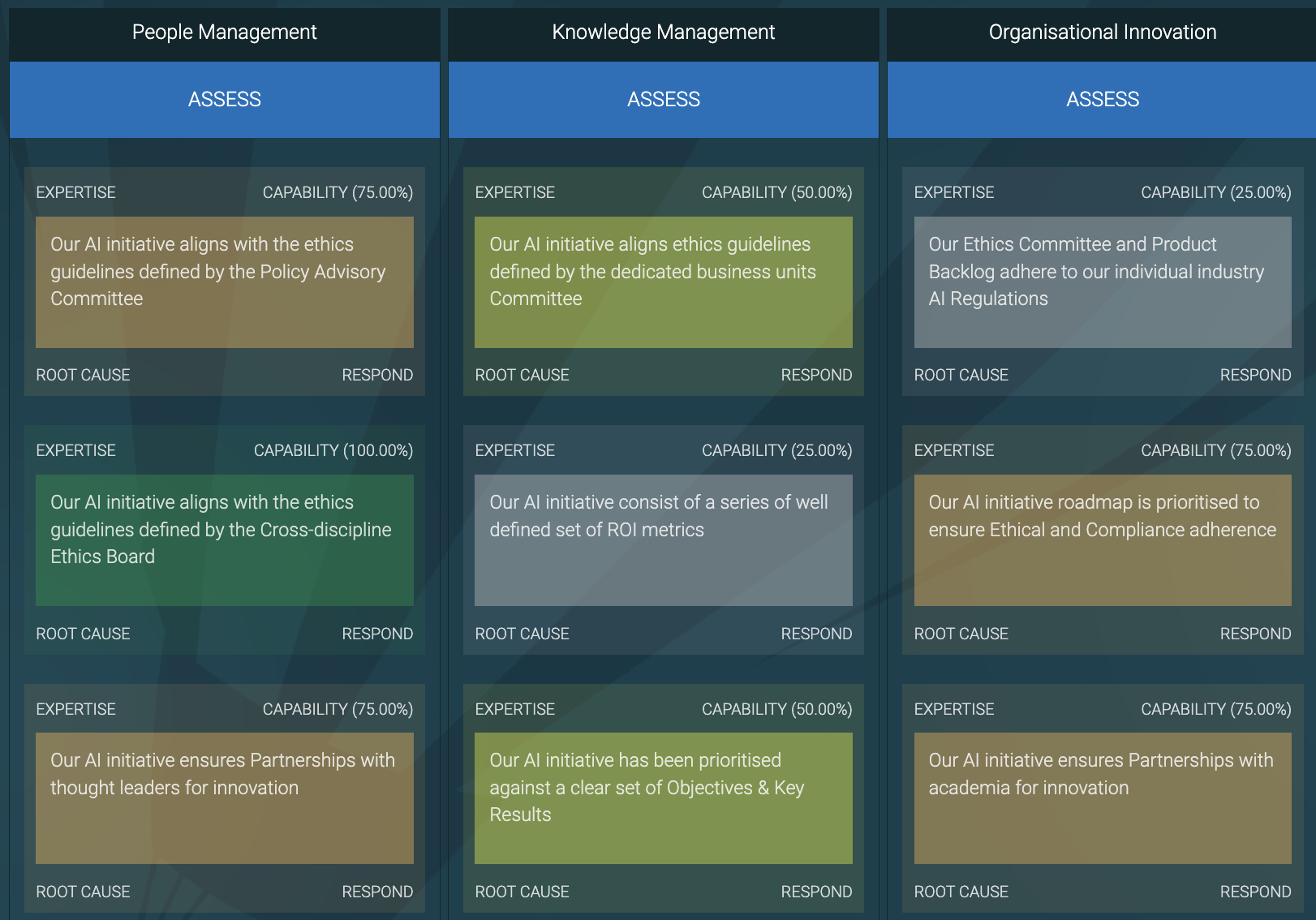
Participants respond to a board of assessment questions related to their initiative.
The assessment owner sees a real-time capability score, instantly revealing areas of strength and weakness as feedback is submitted.
Once all responses are collected, they are consolidated and organised by score, allowing the entire team to focus on the most pressing challenges.
Critically, the system provides a library of specific 'capability improvement advice' directly linked to each assessment question, making the next steps to address low scores perfectly clear.
This approach closes the gap between identifying a problem and solving it. It replaces the slow, disconnected consulting cycle with a dynamic, real-time system that empowers teams to manage the complete life cycle of an improvement measure and track the impact of their corrective actions over time.
Conclusion: Are You Measuring What Matters?
The journey to mastering enterprise AI is paved with more than just good intentions. It requires a disciplined, data-driven approach. The key takeaways are clear: true AI readiness is both commercial and technical, ethics can and must be measured to mitigate business risk, and the improvement cycle must be immediate and actionable to avoid wasted resources.
To navigate an era of ceaseless change, organisations must move beyond broad strategies and focus heavily on the continuous assessment and targeted refinement of foundational capabilities. This approach is more than just best practice; it is an existential necessity for modern business survival. As adopting new technologies reveals previously hidden potential, the critical question becomes: are you effectively identifying and measuring these new keys to success?
Digital Consulting Schedule
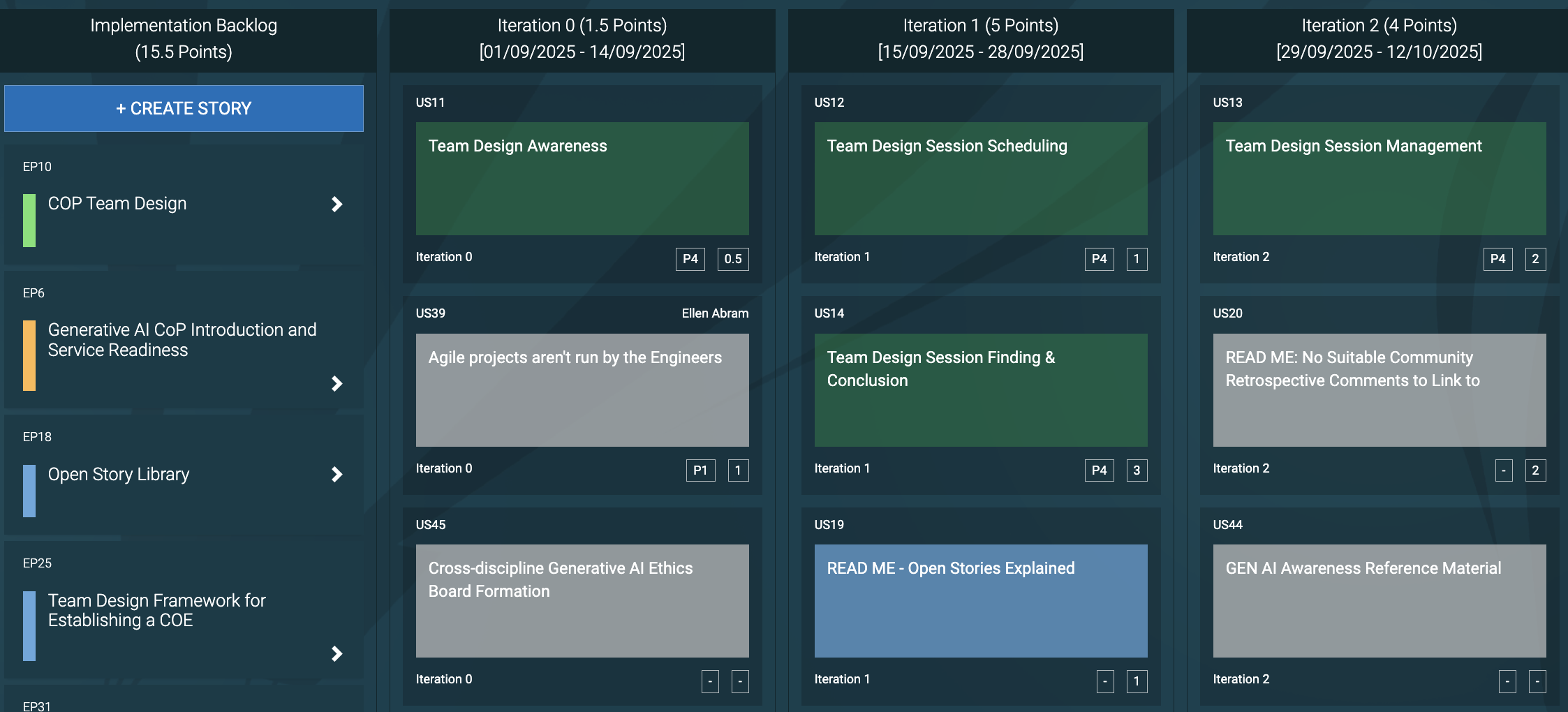
Establish Capability Readiness
Wealth of Consulting Advice

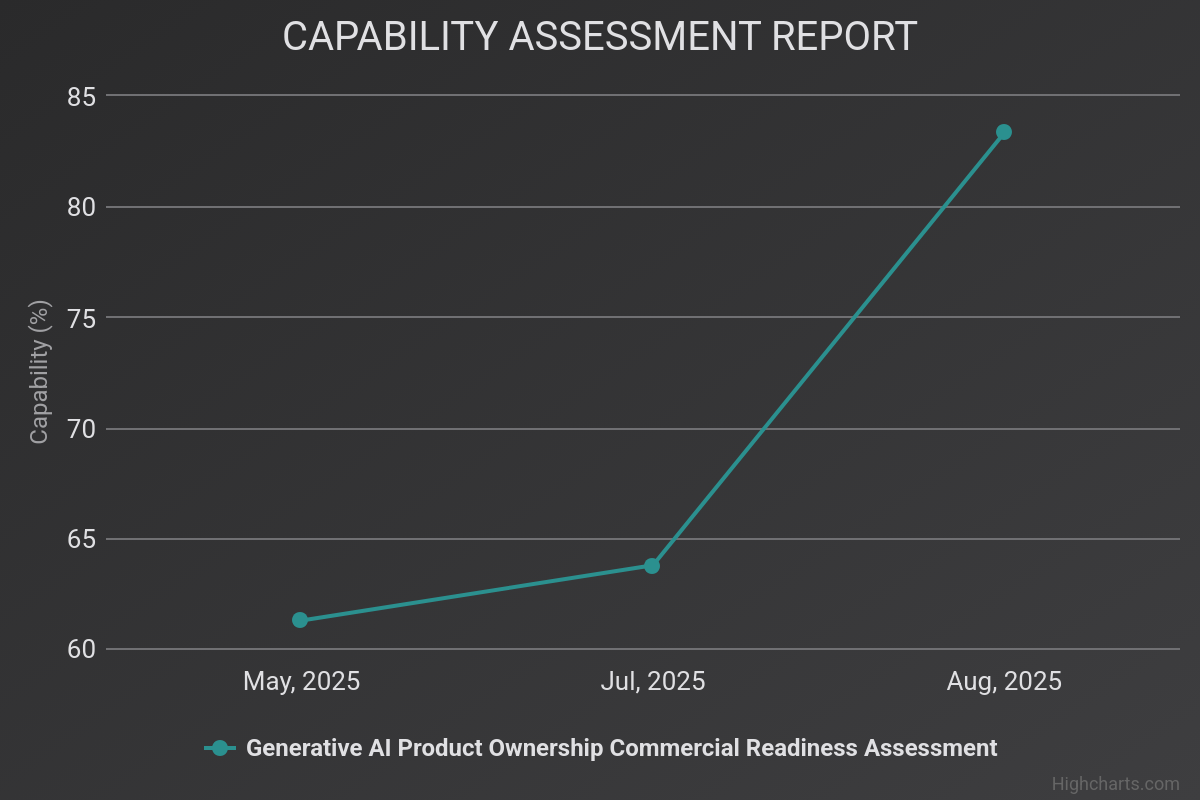
Increased Capability
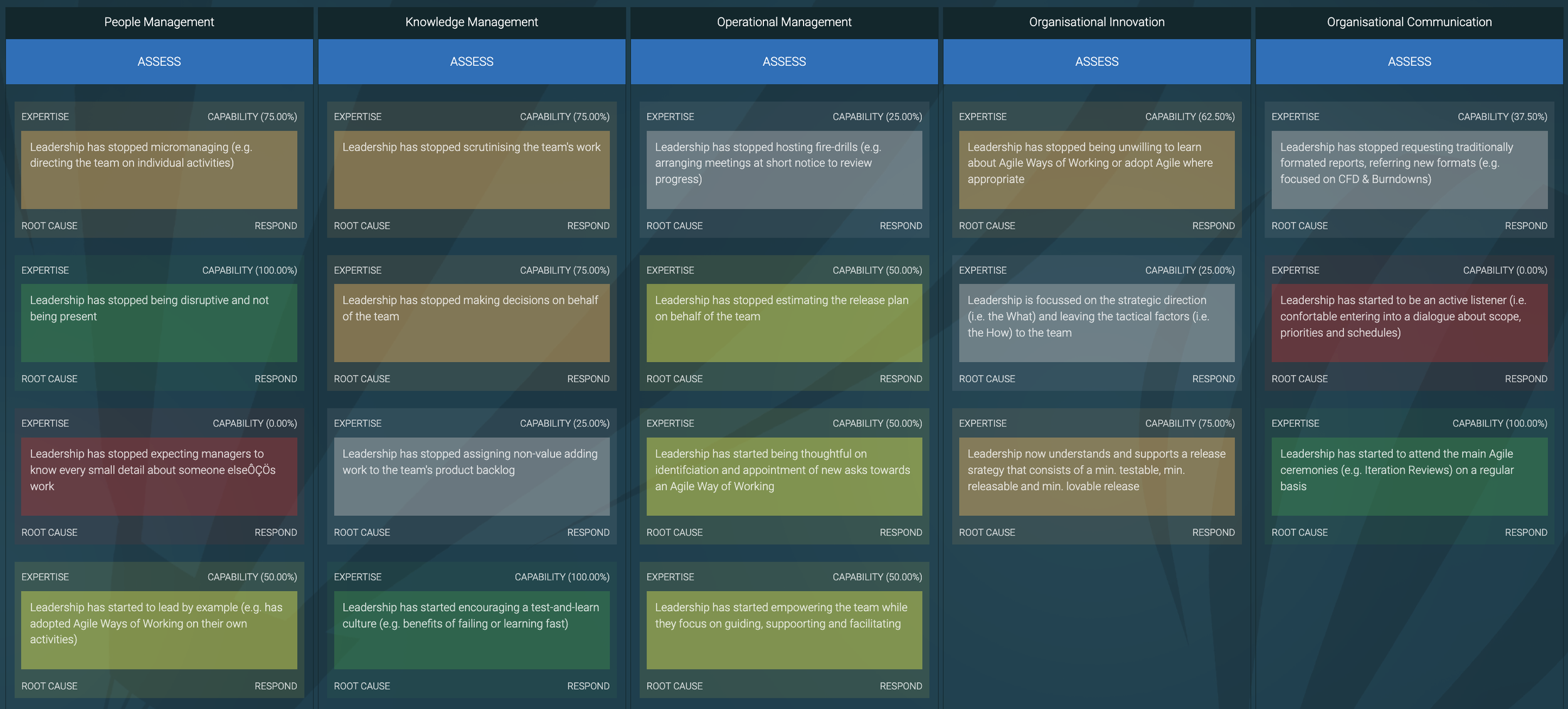
Leadership In An Era Of Rapid Technology Advancement Assessment
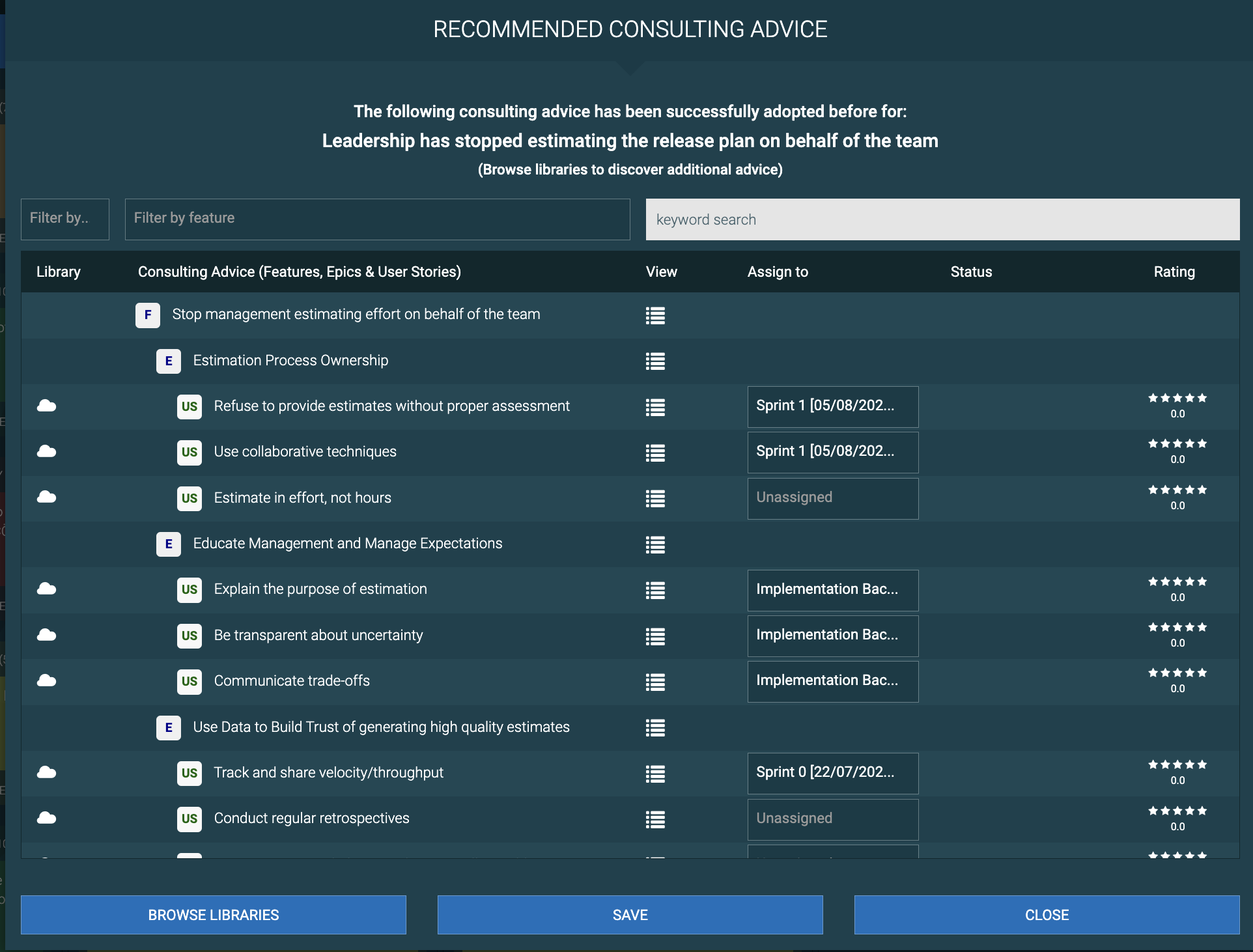
Associated library of recommended consulting advice to optimise leadership
Simply complete the form opposite to request a free-of-charge access to this unique digital consulting service.
Evaluate the level of control and influence your leaders have bestowed upon you and your teams, so that you’re capable of driving sustainable results in a changing environment.